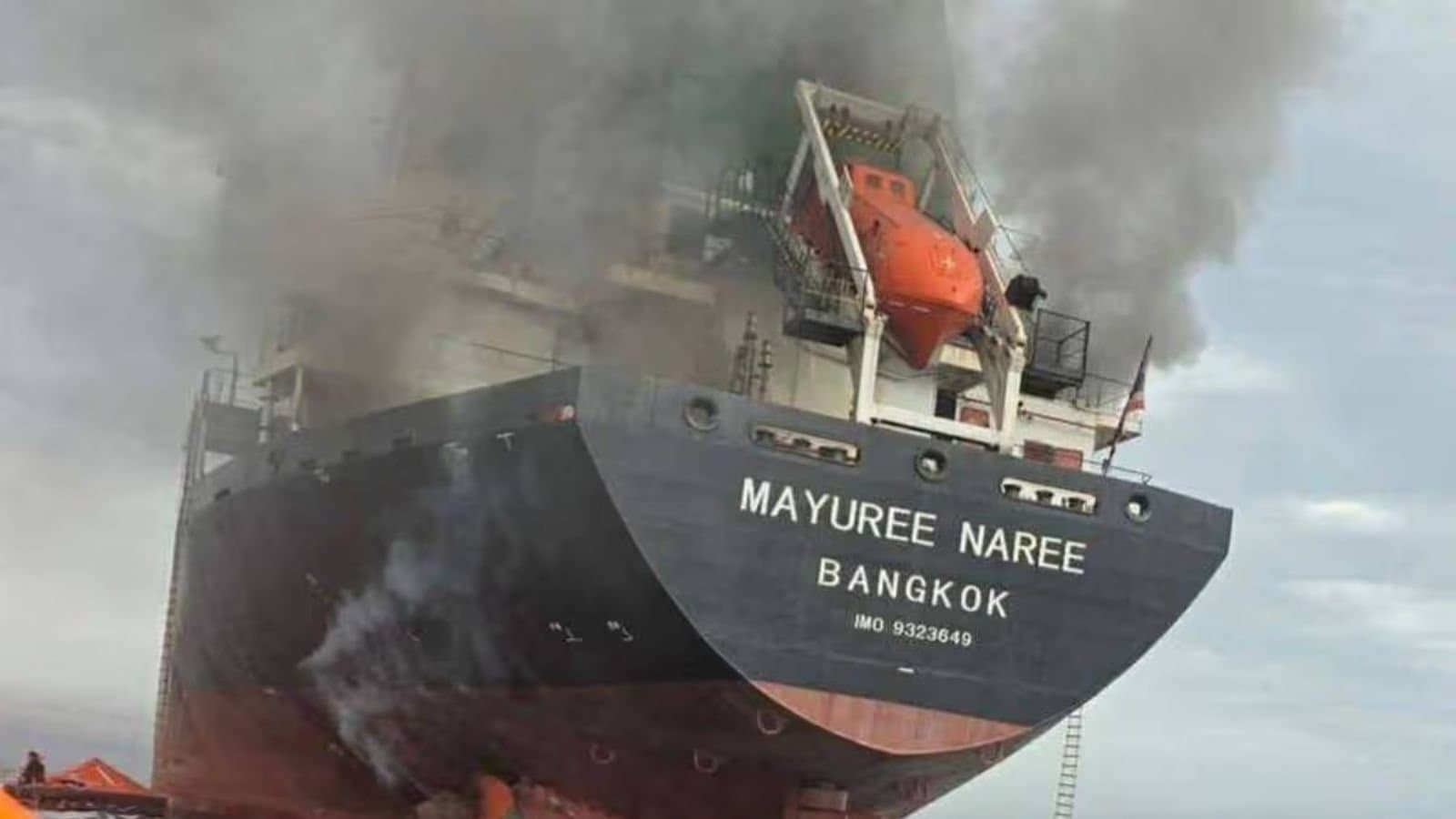
Senior UK ministers gathered in an emergency session on Friday to address a "volatile shift" in Middle East hostilities, specifically targeting Iran’s recent strikes on civilian infrastructure and international shipping lanes.
The Prime Minister’s Office issued a scathing rebuke following the meeting, labeling the targeting of unarmed commercial vessels as a direct threat to global stability. The discussions didn't just focus on the military threat, but on the growing economic shadow cast by disruptions in the Strait of Hormuz—the world's most sensitive chokepoint for oil and gas.
Securing the "Chokepoint of the World"
Ministers made it clear that "business as usual" is over for maritime security. The UK is currently hammering out a joint protection framework with international partners to escort tankers and monitor the Strait.
"The safety of these lanes is non-negotiable," a Whitehall source noted. "We are seeing a deliberate expansion of targets to include neutral international vessels, which serves no purpose other than to spike global energy prices and destabilize the UK economy."
US-UK Military Coordination Ramps Up
In a significant strategic confirmation, the Cabinet verified that existing agreements allowing the United States to utilize UK military bases—including sovereign base areas in the Mediterranean—are being leveraged for "active defensive operations."
These operations are specifically designed to degrade the missile and drone capabilities used to harass shipping. While the ministers emphasized that the UK is not seeking a broader war, they underscored that defensive strikes are within the bounds of international law to protect national interests and the safety of British mariners.
The Economic Stakes
The meeting concluded with a sobering look at the numbers. With the conflict now entering its third week, the risk to the UK’s domestic energy costs is rising. Ministers called for an "immediate cooling of rhetoric" and a return to de-escalation, warning that a prolonged closure or even a partial blockade of the Strait would have "catastrophic" consequences for the global recovery.
Conclusion
The UK’s stance is hardening. By moving from diplomatic condemnation to active military coordination with the US, London is signaling that while it doesn't want a war, it will no longer tolerate the "unacceptable" harassment of global trade.
Also Read: Google Introduces New ‘Advanced Flow’ for Unverified Android App Installs